Average Cost Of Paralegal: Introduction: The Role of Paralegals in IP Prosecution
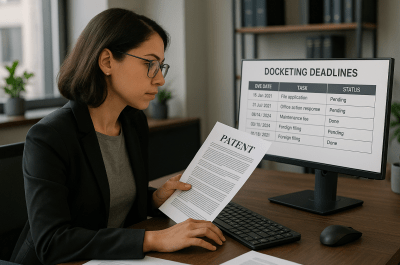
Paralegals play a critical role in the patent prosecution process, supporting attorneys by managing deadlines, preparing documents, maintaining docketing accuracy, and coordinating communication with patent offices. Their expertise directly impacts the efficiency and cost-effectiveness of IP prosecution workflows.
For authoritative filing basics, review the USPTO patent basics guide when mapping portfolio software to your patent workflow.
Understanding Paralegal Cost Structures in Patent Law
First, Paralegal costs in IP prosecution are typically calculated on an hourly basis, though some firms may use fixed-fee arrangements or blended rates. Rates vary depending on geographic location, experience level, and whether the services are provided in-house or outsourced.
Next, On average, hourly rates for IP paralegals range from $60 to $120, with specialized experience in patent prosecution often commanding higher fees. For budgeting purposes, understanding these ranges is essential to forecast patent prosecution expenses accurately.
Factors Influencing the Average Cost of Paralegal Services
- Experience and Expertise: Paralegals with deep knowledge of patent prosecution procedures and docketing systems may charge premium rates.
- Geographic Location: Costs typically vary between regions; metropolitan areas generally have higher rates than smaller markets.
- Scope of Work: Complex docketing tasks, deadline monitoring, and document preparation influence the time required and thus the cost.
- Volume of Work: High-volume clients may negotiate discounted rates or flat fees.
- Outsourcing vs. In-House: Outsourced paralegal services may offer cost advantages but can introduce integration and communication considerations.
Comparing In-House vs. Outsourced Paralegal Support
For example, Both in-house and outsourced paralegal options have unique cost and operational implications:
| Aspect | In-House Paralegal | Outsourced Paralegal Support |
|---|---|---|
| Hourly Rate | Often higher due to salary, benefits, and overhead | Typically lower; flexible pricing models |
| Control & Supervision | Direct control, immediate supervision | Managed externally; requires clear communication protocols |
| Scalability | Limited by staffing capacity | Highly scalable for fluctuating workloads |
| Integration | Seamless integration with internal docketing systems | May require additional setup and oversight |
Budgeting for Paralegal Services within Patent Filing Costs
Also, Effectively budgeting paralegal expenses involves aligning cost estimates with the patent prosecution workflow. Consider these steps:
- Assess historical paralegal hours spent per patent family.
- Calculate average hourly rates based on paralegal experience and location.
- Include contingency reserves for unexpected docketing complexities.
- Factor in potential cost savings from outsourcing or automation.
Example budgeting template for a patent family:
| Task | Estimated Hours | Hourly Rate | Estimated Cost |
|---|---|---|---|
| Docketing New Application | 2 | $85 | $170 |
| Deadline Monitoring & Updates | 1.5 | $85 | $127.50 |
| Document Preparation & Filing | 3 | $85 | $255 |
| Total Estimated Paralegal Cost | 6.5 | $552.50 |
Integrating Paralegal Services into Your IP Docketing Workflow
Meanwhile, Seamless integration of paralegal tasks within the IP docketing workflow is essential to prevent missed deadlines and ensure accurate prosecution tracking. Best practices include:
- Utilizing centralized docketing systems with real-time updates.
- Standardizing procedures for deadline entry and confirmation.
- Implementing cross-checks between paralegal and attorney inputs.
- Leveraging Related reading: IP docketing best practices for enhanced process controls.
Tips to Optimize Paralegal-Related Patent Prosecution Expenses
In addition, Cost optimization strategies should maintain quality and compliance standards. Consider these approaches:
- Outsource selectively: Use outsourced paralegal support for high-volume or administrative docketing tasks to reduce overhead. Related reading: outsourced IP docketing support
- Automate routine tasks: Employ docketing software features to minimize manual entry.
- Train for efficiency: Invest in paralegal training focused on patent prosecution nuances and docketing accuracy.
- Regular audits: Conduct periodic reviews to identify inefficiencies or errors that increase costs.
- Collaborate cross-functionally: Engage with attorneys and legal operations teams to streamline workflows. Related reading: legal operations for IP teams
Conclusion: Strategic Approaches to Managing Paralegal Costs
However, Understanding and managing the average cost of paralegal services is vital for law firms, docketing managers, and in-house IP teams aiming to control patent prosecution budgets without compromising quality. Strategic budgeting, leveraging outsourced support when appropriate, and integrating paralegal services effectively within IP docketing workflows can yield significant cost savings and operational efficiency.
As a result, Contact IP Docketers today for expert consultations on optimizing your IP docketing workflow and managing paralegal service costs effectively.
This article is for informational purposes only and does not constitute legal advice.
Frequently Asked Questions
What is the average hourly rate for a paralegal in patent prosecution?
At the same time, Average hourly rates typically range from $60 to $120 depending on experience, location, and whether the paralegal is in-house or outsourced.
How do paralegal costs impact overall patent filing budgets?
Finally, Paralegal costs comprise a significant portion of prosecution expenses since they handle docketing, deadline monitoring, and document preparation, directly affecting workflow efficiency and risk of missed deadlines.
Are outsourced paralegal services more cost-effective than in-house?
First, Outsourced services can reduce overhead and provide scalability, but require careful management to ensure seamless integration and maintain quality.
What tasks do IP prosecution paralegals typically handle?
Next, They manage docketing entries, deadline tracking, filing patent office correspondence, preparing documents, and coordinating with attorneys and patent offices.
How can law firms and in-house teams reduce paralegal-related expenses without sacrificing quality?
For example, By selectively outsourcing, automating routine tasks, investing in training, auditing workflows regularly, and enhancing cross-team collaboration.
Related reading: patent prosecution workflow optimization
Related reading: missed-deadline prevention strategies
Practical Next Steps
Also, Map every active docketing system, identify where deadlines are entered or reviewed, and confirm which team owns the final QA check before critical prosecution dates.
Meanwhile, Teams should also review escalation paths, audit reporting, manual override controls, and system integrations so operational risk is reduced before the next deadline spike.
First, law firms should compare their highest-risk deadlines with current staffing coverage so the most sensitive prosecution dates receive the strongest review process.
Next, docketing managers should document which tasks are fully automated and which still depend on manual review or exception handling across systems.
For example, a team using multiple docketing platforms may need a single weekly reconciliation step so duplicate records and missing updates are found early.
Meanwhile, firms should confirm who owns escalation when filings, office actions, or client instructions arrive close to a deadline.
In addition, IP teams should review integration gaps between docketing tools, email workflows, shared drives, and reporting dashboards.
However, adding more software without improving QA controls can still leave deadline risk in place if ownership is unclear.
As a result, many firms pair system improvements with outsourced support, documented SOPs, and regular audit reviews to keep workflows reliable.
Finally, strong docketing operations depend on accurate data entry, practical reporting, trained staff, and a clear escalation structure when exceptions appear.
First, law firms should compare their highest-risk deadlines with current staffing coverage so the most sensitive prosecution dates receive the strongest review process.