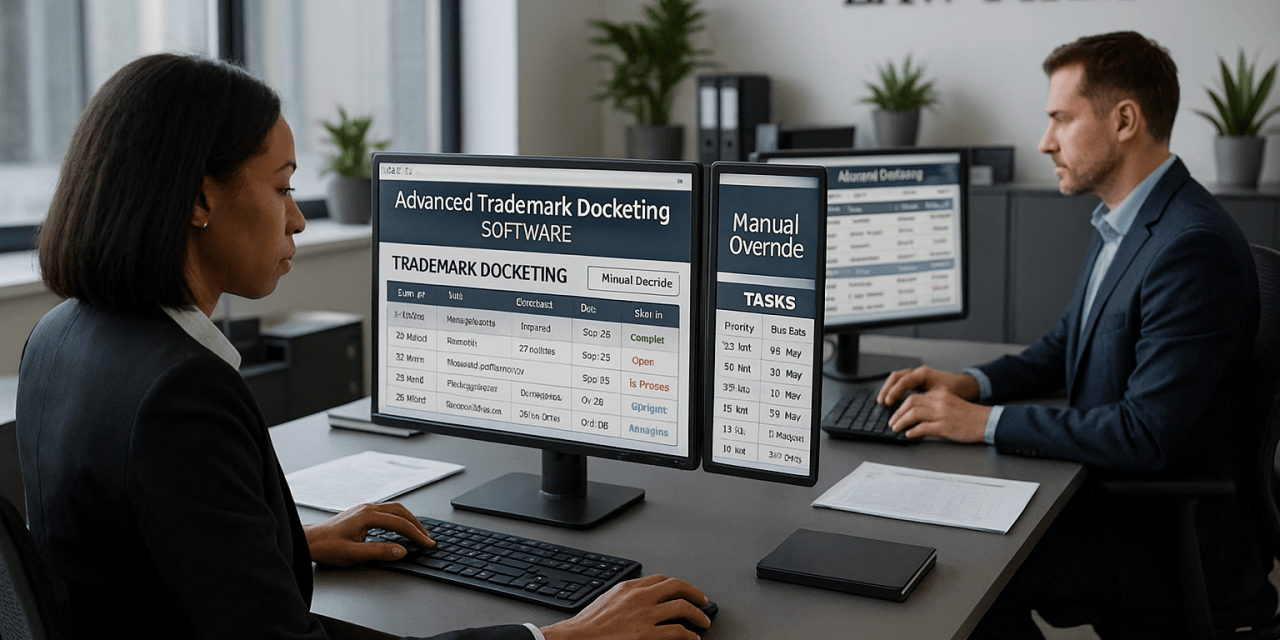
Introduction: The Role of Manual Override in Docketing
Manual override in docketing is an indispensable feature for law firms, in-house intellectual property (IP) teams, and docketing managers tasked with maintaining precise control over trademark prosecution deadlines. While automated docketing systems streamline deadline tracking by integrating office rules and application data, they cannot always accommodate unique or complex case nuances. In these scenarios, the ability to manually adjust docket entries ensures deadlines remain accurate and risks of missed trademark deadlines are minimized.
To understand foundational filing requirements, consult the USPTO patent basics guide. This resource can help align docketing software configurations with your patent prosecution workflow. Related reading: USPTO patent basics guide
Understanding the Impact of Missed Trademark Deadlines
First, Missed trademark deadlines can result from a variety of factors including system errors, incorrect data input, or special procedural requirements not anticipated by automated rules. The consequences are often severe, potentially causing costly extensions, oppositions, or even permanent loss of trademark rights. Therefore, it is critical that IP teams establish robust controls and incorporate manual override capabilities within their docketing workflows to mitigate these risks effectively.
How Trademark Docketing Software Automates Deadline Management
Next, Modern trademark docketing systems leverage comprehensive rule sets from trademark offices like the USPTO to automatically generate and track key prosecution deadlines. These systems offer alert mechanisms, real-time calendars, and reporting dashboards to reduce manual workloads and human error. However, the accuracy of these automated deadlines depends heavily on the quality of input data and the system’s ability to accommodate exceptions.
The Essential Function of Manual Override in Docketing Systems
For example, Manual override functionality allows authorized docketing personnel to adjust or correct docket entries that automated systems cannot properly process due to unusual procedural circumstances or client-specific instructions. This capability is vital for recalculating deadlines, extending dates, or correcting errors to maintain docket accuracy and compliance.
Best Practices for Implementing Manual Overrides
Also, Effective use of manual overrides requires clearly defined policies and comprehensive audit trails. The following table summarizes best practices recommended for IP teams:
| Best Practice | Description |
|---|---|
| Document Override Reasons | Record detailed rationale for every manual change to ensure accountability and facilitate audit reviews. |
| Restrict Access | Limit override capabilities to trained docketing managers or senior paralegals for controlled use. |
| Maintain Audit Logs | Track override actions including user identity and timestamps to provide traceability. |
| Implement Secondary Reviews | Require a secondary verification of manual overrides before final docket updates. |
| Provide Regular Training | Conduct ongoing education on correct override procedures and system functionalities. |
Integrating Manual Overrides into IP Docketing Workflows
Meanwhile, For seamless operation, manual override processes should be fully integrated into existing IP docketing workflows. When a docketing manager identifies an atypical deadline scenario, they can manually update the docket and immediately notify the prosecution team to prevent workflow disruptions. Integration points typically include calendar synchronization, alert triggers, communication pathways, and connections to task and document management platforms. Related reading: IP docketing workflow Related reading: docketing system integrations
Case Study: Enhancing Deadline Compliance Through Manual Override Controls
In addition, A midsize law firm with a complex multi-jurisdictional trademark portfolio was experiencing frequent missed deadlines despite automated docketing. By adopting software equipped with robust manual override features, docketing managers could tailor deadlines to jurisdiction-specific procedural changes and client requirements. This adaptation led to a 40% reduction in missed deadlines within six months, improved client satisfaction, and strengthened audit compliance.
Choosing Trademark Docketing Software with Effective Manual Override Features
However, When selecting docketing software, legal operations professionals should evaluate the following capabilities:
- Granularity and flexibility of manual override options
- Comprehensive audit trail and reporting functions for overrides
- Role-based user permission controls
- Compatibility with existing IP systems and workflows
- Vendor support and training resources
Frequently Asked Questions
What is manual override in trademark docketing software?
As a result, Manual override is a feature allowing authorized users to modify or correct automated docket entries to accommodate case-specific details or procedural exceptions.
How does manual override help prevent missed trademark deadlines?
At the same time, It permits docketing managers to adjust deadlines when automated calculations do not account for unique circumstances, reducing the risk of missed critical dates.
Can manual override reduce errors in automated docketing systems?
Finally, Yes, manual overrides serve as a critical safety net to identify and correct errors that automation alone may overlook, enhancing docketing accuracy.
What best practices should IP teams follow when using manual overrides?
First, Teams should document reasons for overrides, limit access to trained personnel, maintain audit logs, require secondary reviews, and provide ongoing staff training.
How do manual overrides integrate with existing prosecution workflows?
Next, Overrides are incorporated through synchronization with alert systems, communication tools, and task management platforms to ensure timely updates and team coordination.
Disclaimer: This article is for informational purposes only and does not constitute legal advice.
Conclusion
For example, Manual override in docketing is a vital component for law firms, in-house IP teams, and docketing managers aiming to reduce missed deadlines and ensure workflow integrity. By combining automated deadline tracking with controlled manual adjustments, IP teams can proactively manage complex trademark portfolios with enhanced accuracy and confidence.
Also, Contact IP Docketers today to optimize your trademark docketing workflows with software solutions featuring reliable manual override capabilities. Related reading: contact IP Docketers
Practical Next Steps Checklist
- Map all active docketing systems and verify ownership of final quality assurance checks before critical deadlines.
- Review escalation protocols, audit reporting, and manual override controls to minimize operational risks.
- Assess staffing coverage against the highest-risk trademark prosecution deadlines to ensure rigorous review.
- Document automation versus manual review tasks across docketing platforms to identify workflow gaps.
- Establish regular reconciliation procedures for teams using multiple docketing systems to catch duplicate or missing entries early.
- Confirm responsibility for escalation when filings, office actions, or client instructions occur near deadlines.
- Evaluate integration points between docketing tools, email workflows, shared drives, and reporting dashboards for seamless information flow.
Practical Next Steps
Meanwhile, Map every active docketing system, identify where deadlines are entered or reviewed, and confirm which team owns the final QA check before critical prosecution dates.
In addition, Teams should also review escalation paths, audit reporting, manual override controls, and system integrations so operational risk is reduced before the next deadline spike.
First, law firms should compare their highest-risk deadlines with current staffing coverage so the most sensitive prosecution dates receive the strongest review process.
Next, docketing managers should document which tasks are fully automated and which still depend on manual review or exception handling across systems.
For example, a team using multiple docketing platforms may need a single weekly reconciliation step so duplicate records and missing updates are found early.